
Which Cleaning Products You Should Never Mix (Safety)
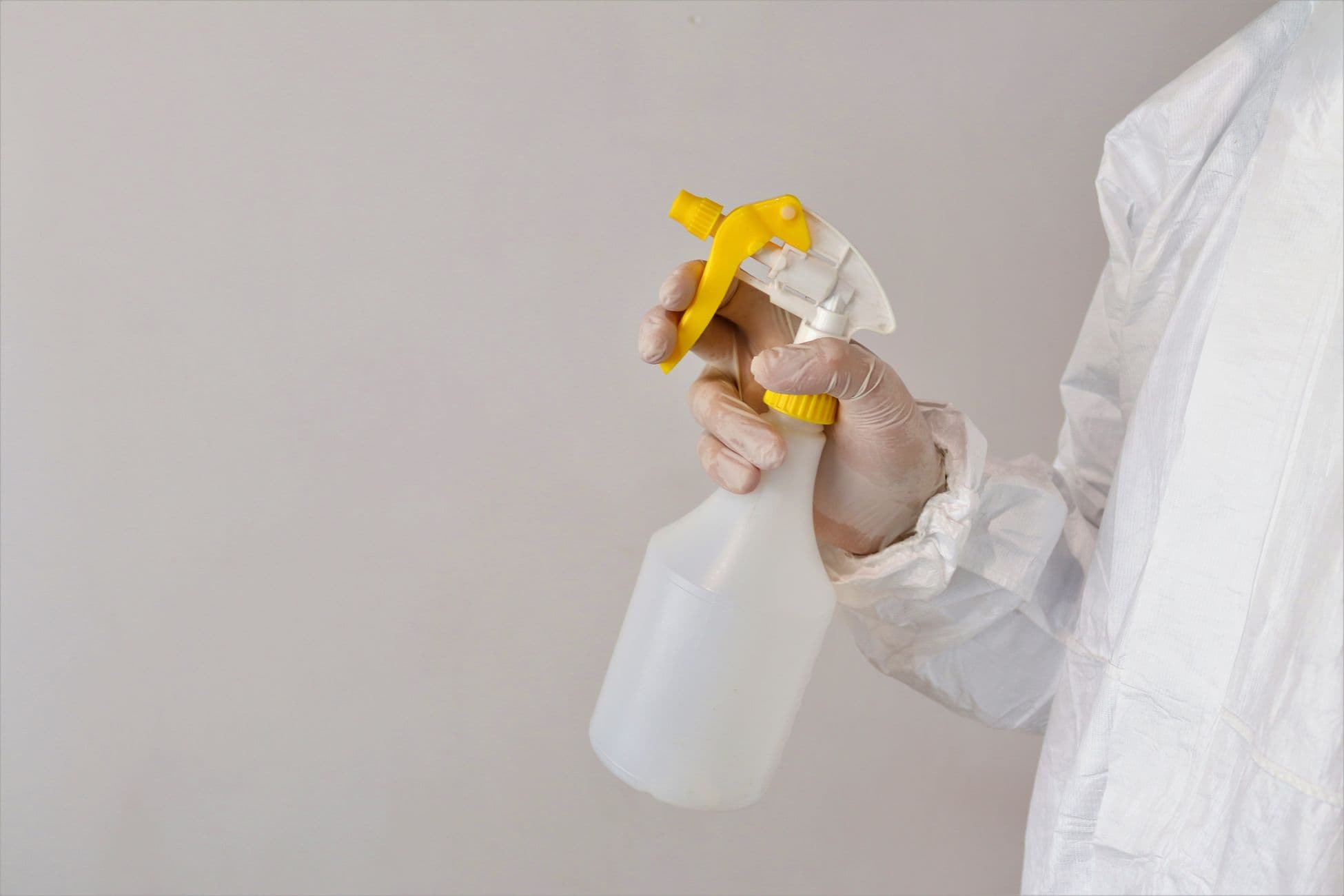
Cleaning products are chemicals, and some of them become dangerous when combined. Mixing the wrong two cleaners can create toxic gases that harm your lungs, your eyes, and your health — sometimes seriously. Every cleaner needs to know which combinations are dangerous, because a simple, common mistake can send you to the hospital. The good news is that staying safe is easy once you know the rules. This is essential safety knowledge for anyone who cleans, so here are the cleaning products you should never mix, and the simple habits that keep you safe. (This is general safety information; always read and follow the labels on your products.)
Why mixing products is dangerous
Cleaning products contain chemicals that can react with each other, and some of those reactions produce toxic fumes. When you combine certain cleaners, the chemical reaction can release gases that irritate or seriously damage your lungs and eyes, cause coughing and difficulty breathing, and in bad cases require emergency care. This is not a rare, exotic risk — it comes from combining ordinary household products people use every day. Because these dangers are invisible until the fumes hit you, knowing the rules ahead of time is what keeps you safe. Understanding that some products simply must never meet is the foundation of cleaning safely.
Never mix bleach and ammonia
The most important rule: never mix bleach with ammonia. Combining these two creates toxic fumes that are genuinely dangerous to breathe, causing serious harm to your lungs and requiring medical attention in bad cases. This combination is especially risky because ammonia is found in some glass cleaners and other products, so you might mix them without realizing it. Always know whether a product contains ammonia before using it near bleach. Bleach and ammonia together is one of the most dangerous combinations in home cleaning, and keeping them completely apart is a rule you should never break.
Never mix bleach and vinegar or acids
Another dangerous combination is bleach mixed with vinegar or other acidic cleaners. This reaction releases a toxic gas that can seriously irritate and damage your lungs and eyes. Since vinegar is a common natural cleaner and many products are acidic, this mistake is easy to make if you are not careful — for example, trying to boost bleach with vinegar, thinking it will clean better. It does the opposite: it creates a hazard. Never combine bleach with vinegar, or with any acidic product, and never use them one right after another on the same surface without thorough rinsing in between.
Never mix bleach with other cleaners in general
The safest rule of all is to treat bleach as a product that should not be mixed with anything else. Because bleach reacts dangerously with so many other chemicals — ammonia, acids, and various other cleaners — the simplest way to stay safe is to never combine bleach with any other cleaning product. Use bleach on its own, well diluted and with good ventilation, and never add anything to it or use it right after another product. When in doubt, keep bleach completely separate from every other cleaner. This single rule prevents the majority of dangerous mixing accidents, because bleach is involved in most of them.
Be careful with different products on the same surface
Danger does not only come from mixing products in a bottle — it can also happen when you use one product right after another on the same surface. If you clean a surface with one product and then, before rinsing, apply another that reacts with it, you can create the same dangerous fumes as mixing them directly. This is an easy mistake to make when you are moving fast. To stay safe, rinse a surface thoroughly before switching to a different product on it, especially if bleach is involved. Treat "one after another without rinsing" as just as risky as mixing in a bottle.
Always work with good ventilation
Even when you are using products correctly and not mixing anything, good ventilation protects you. Cleaning in a well-ventilated space — open windows, run a fan, keep air moving — reduces your exposure to fumes and keeps you safer, especially in small rooms like bathrooms where fumes concentrate. Strong products used in a closed, unventilated space can build up and irritate you even without a dangerous reaction. Making ventilation a habit whenever you clean, particularly with strong products, is a simple, powerful way to protect your lungs and stay comfortable and safe throughout your work.
Read the labels and know your products
You cannot avoid dangerous combinations if you do not know what is in your products. Reading the labels tells you what a product contains, how to use it safely, and what not to combine it with — the labels often warn directly against dangerous mixes. Knowing whether a cleaner contains bleach, ammonia, or acid lets you avoid combining products that should never meet. Taking a moment to read and understand your products is a simple safety habit that prevents accidents. The label is there to protect you, so use it, and never assume you know what is in a product without checking.
Protect yourself with gloves and care
Beyond avoiding dangerous mixes, protecting your skin and eyes matters too. Wearing gloves protects your hands from harsh chemicals that can irritate or damage your skin over time, and being careful to avoid splashing products into your eyes protects your sight. Strong cleaners can harm you through contact, not just through fumes, so handling them with basic care and protection keeps you safe over the long run of a cleaning career. Your health is your most important tool, and simple protective habits — gloves, care, avoiding splashes — guard the body your whole livelihood depends on.
Store products safely
Safety continues even when you are not cleaning. Store your products properly — in their original containers, clearly labeled, and kept apart so incompatible ones cannot accidentally mix or leak into each other. Never store bleach next to ammonia or acids in a way that a spill could combine them. Keeping products in the containers they came in, with their labels intact, also means you always know what each one is, which prevents dangerous mistakes later. Safe storage is a quiet but real part of chemical safety, protecting you and anyone else around your supplies from accidental exposure.
Let the app help you keep a safe, simple kit
Cleaning safely is easier with a simple, well-understood kit of products, each used correctly and never dangerously combined — and keeping your supplies organized supports that. CleanerFlow Agenda helps you manage your cleaning business, including keeping your supplies and their costs organized, so you can maintain a clear, safe kit of products you know well rather than a chaotic mix. A cleaner who runs an organized business tends to work more safely, because everything about her process is deliberate and clear. Know the dangerous combinations, never mix bleach with anything, work with ventilation, read your labels, protect yourself, store products safely, and let the app help you keep a simple, organized kit — so you clean beautifully and protect your health for a long, safe career.
The dangerous combinations, in one quick list
Keep these combinations in mind and you avoid nearly every dangerous mix. Never combine bleach with ammonia — this makes toxic fumes that harm your lungs, and ammonia hides in some glass and household cleaners. Never combine bleach with vinegar or any acid — this releases a toxic gas that damages your lungs and eyes. Never combine bleach with any other cleaning product, as a blanket rule, because it reacts dangerously with so many chemicals. And never use two reactive products one right after another on the same surface without rinsing thoroughly in between. If you remember nothing else, remember this: bleach goes alone, always. That single rule, plus good ventilation, protects you from the large majority of chemical-cleaning accidents. When you are unsure whether two products are safe together, do not risk it — use them separately, on separate days if needed, and rinse well between.
What to do if you are ever exposed
Even careful cleaners should know what to do if an accidental mix or strong fumes affect them. If you ever start coughing, feel your throat or lungs burning, get dizzy, or have trouble breathing while cleaning, get to fresh air immediately — leave the room and open windows or step outside. Do not stay and try to finish; your safety comes first. If symptoms are serious or do not improve quickly in fresh air, seek medical help right away, and if you know which products were involved, that information helps. Getting away from the fumes fast is the most important thing you can do. Knowing this in advance means that if the worst ever happens, you react correctly instead of freezing. Clean safely by knowing the rules, keep a simple well-understood kit, protect yourself, and let the app help you run an organized business — so your long cleaning career stays healthy and safe from the very first job to the last.