
The Best Cleaning Products (and How Far They Go)
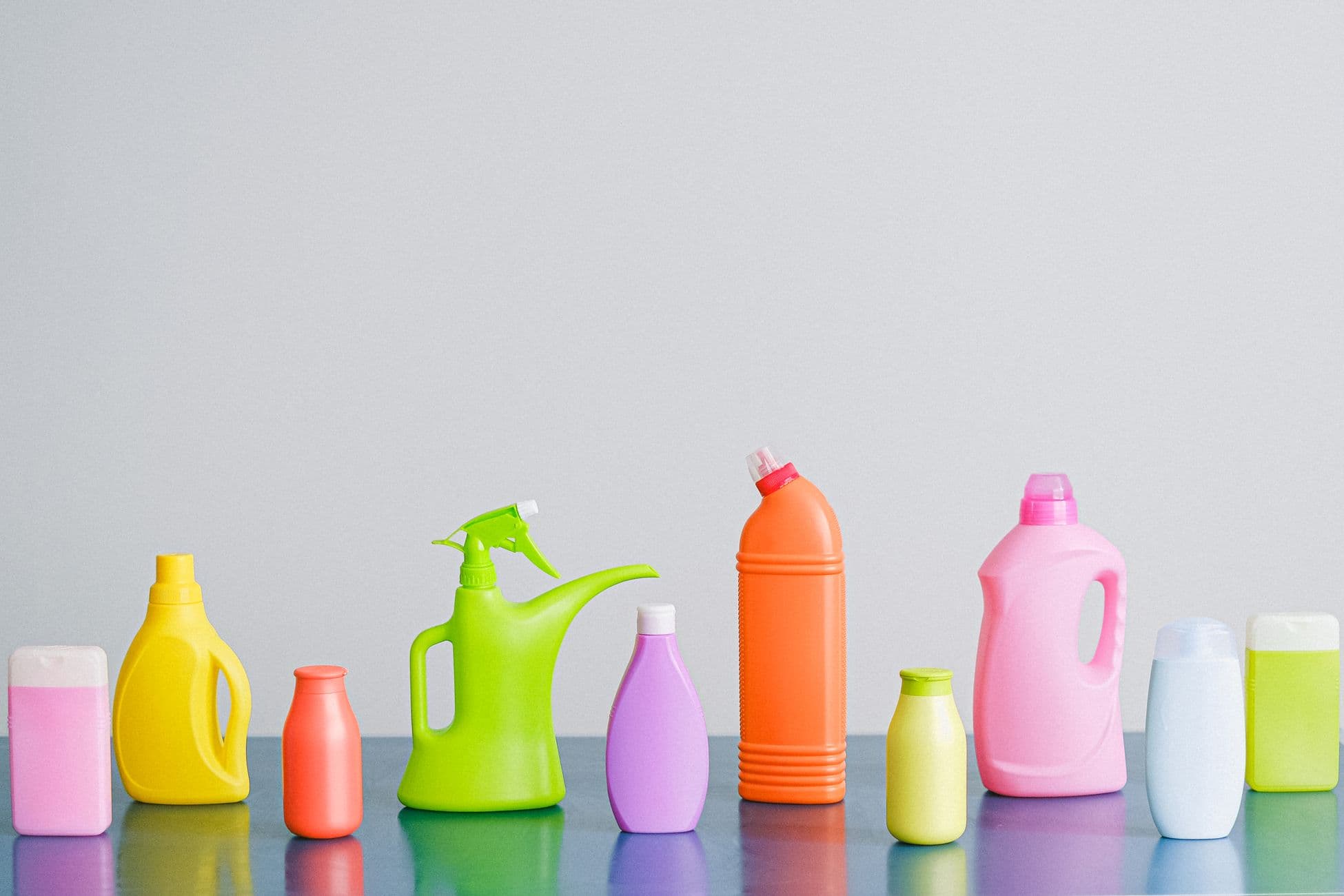
Walk down any cleaning-supply aisle and you will see hundreds of products, each promising to be essential. The truth is that you do not need most of them. A handful of good, versatile products cleans almost any home beautifully, and buying smart makes them go a long way, keeping your supply cost low. For a cleaner, knowing which products actually earn their place — and how to stretch them — protects both your results and your profit. Here is the essential product kit, what each one does, and how to make your supplies go far.
You need a few good products, not many
The biggest supply mistake cleaners make is buying too many specialized products. A shelf full of single-purpose cleaners is expensive, wasteful, and mostly unnecessary, because a few versatile products handle nearly everything. A good all-purpose cleaner, a bathroom cleaner, a glass cleaner, and a degreaser cover the vast majority of what you will ever clean. Focusing on a small kit of effective, multi-use products keeps your costs down and your caddy light, while still letting you clean any home well. Simple and versatile beats a cabinet of specialty products you barely touch, both for your results and your wallet.
An all-purpose cleaner does most of the work
Your single most useful product is a good all-purpose cleaner. It handles counters, surfaces, most everyday messes, and a huge range of cleaning throughout the home. Because it is so versatile, one all-purpose cleaner replaces many specialized products and does the bulk of your cleaning. A quality all-purpose cleaner, especially one you buy as a concentrate, is the workhorse of your kit — reach for it first for most surfaces, and you will find it handles far more than you expect. This one product, chosen well, is the foundation of an efficient, low-cost cleaning kit.
A bathroom cleaner for soap scum and grime
Bathrooms have their own kind of buildup — soap scum, hard-water spots, and grime that an all-purpose cleaner may not fully cut through. A dedicated bathroom cleaner made for these tougher jobs earns its place in your kit. It tackles the shower, tub, tile, and fixtures far more effectively than a general product, saving you scrubbing time. Because bathrooms are one of the most demanding rooms, having the right cleaner for them is worth it. One good bathroom cleaner handles the buildup that would otherwise slow you down, making the toughest room in the house go faster.
A glass cleaner for streak-free shine
Mirrors, glass, and windows need a product that leaves them clear and streak-free, which a general cleaner often cannot do as well. A good glass cleaner is a small but worthwhile part of your kit, giving you that clean, shiny finish clients notice on mirrors and glass surfaces. Paired with a good microfiber cloth, a proper glass cleaner makes mirrors and windows sparkle quickly without streaks. This is one of those finishing touches that makes a home look truly clean, so a reliable glass cleaner is worth having, even though you use less of it than your all-purpose cleaner.
A degreaser for the kitchen
The kitchen deals with grease that ordinary cleaners struggle against — around the stove, on range hoods, and on greasy surfaces. A degreaser, or a product strong enough to cut grease, handles this far better than a general cleaner. Having something in your kit that tackles kitchen grease saves you a lot of scrubbing on the greasiest jobs. Whether it is a dedicated degreaser or an all-purpose cleaner strong enough to handle grease, make sure your kit can cut through the kitchen's toughest messes, because grease is one of the few things a basic cleaner really cannot handle well on its own.
Buy concentrates to make products go far
The single biggest way to make your products go far is to buy concentrates instead of ready-to-use bottles. A ready-to-use spray is mostly water, so you are paying to have the product pre-diluted. A concentrate, which you dilute yourself, costs a fraction per usable bottle, because one affordable jug makes many bottles of working cleaner. Buying concentrate and mixing it into your own labeled spray bottles dramatically lowers your cost per job for the exact same cleaning power. This one habit stretches your products further than anything else, turning a modest supply budget into weeks of cleaning.
A little product goes a long way
Many cleaners use far more product than they need, spraying heavily when a light mist would do. Using the right amount — a light, even application rather than drowning a surface — cleans just as well and makes your products last much longer. Overusing product wastes money and can even leave residue that takes longer to wipe away. Learning how little product a job actually needs is a simple way to stretch your supplies and keep your surfaces clean without waste. A light hand on the trigger means each bottle cleans many more homes, which is money kept in your pocket.
Simple staples you may already have
Some of the most effective cleaning helpers are simple, inexpensive staples. Basic items like baking soda for gentle scrubbing and deodorizing, and vinegar for cutting through certain buildup and shining glass, are cheap, versatile, and effective for many tasks. These humble staples can handle a surprising range of jobs at almost no cost, supplementing your main products. You do not need to rely only on expensive specialty cleaners when simple, affordable staples do so much. Keeping a few of these on hand adds cheap, effective versatility to your kit and stretches your supply budget even further.
Match the product to the job
Using the right product for each surface saves both time and product. The wrong cleaner may not work well, forcing you to scrub harder or use more, while the right one cuts through the mess quickly with less effort. Knowing which of your few products to reach for on each surface — all-purpose for counters, bathroom cleaner for scum, glass cleaner for mirrors, degreaser for the kitchen — makes you faster and more efficient. Matching product to job is not about having more products; it is about using the right one from your small, smart kit, which cleans better and wastes less than reaching for whatever is closest.
Let the app help you track products and cost
Knowing your products, how far they go, and what they cost you per job is part of running a profitable cleaning business — and CleanerFlow Agenda helps you keep the supply side organized. By keeping your jobs and their real costs in view, you can see what you are spending on products, factor supply cost into your pricing, and make sure your low-cost, high-value kit is actually keeping your profit high. When you know a job costs you only a few dollars in supplies, you price with clear eyes and keep more of what you earn. Build a small kit of good, versatile products, buy concentrates, use a light hand, lean on cheap staples, and let the app help you keep your supply cost low so every job pays you what it should.
The complete starter kit, in one list
If you want a clear shopping list to build or reset your supplies, here is the whole essential kit in one place. For products: a good all-purpose concentrate, a bathroom cleaner for scum and hard water, a glass cleaner, and a degreaser or oven product for the kitchen. Add the cheap staples: baking soda and white vinegar. That handful of products cleans nearly every surface in almost any home. For the tools that make those products work: a solid stock of microfiber cloths in a couple of colors so you can keep bathroom and kitchen cloths separate, a few scrub pads, a good vacuum, a mop, and a sturdy caddy to carry it all. That is the entire kit — nothing exotic, nothing you barely use. Built this way, it costs little per job once you buy concentrate and bulk, and it handles the vast majority of cleaning you will ever do. Add a specialty product only when a specific job truly demands it, and keep your everyday kit this lean.
Buy quality where it lasts, save where it is used up
A smart way to think about your supply spending is to split it in two: consumables and tools. On consumables — the products you use up — the goal is low cost per use, which means concentrates, bulk sizes, a light hand, and cheap staples. On tools — the things you keep and reuse — the goal is quality that lasts, because a good vacuum, durable microfiber, and a sturdy caddy pay for themselves over hundreds of jobs and make every one of them faster. Skimping on a cheap vacuum that dies in a month costs you more than buying a good one once; overspending on ready-to-use products you burn through every week quietly drains your profit. Spend carefully on what you use up, invest properly in what you keep, and your supply cost stays low while your results stay high. Do that, track what it costs you with the app, and your small, smart kit becomes one of the quiet reasons your cleaning stays both excellent and profitable.